If you have ever sat in a planning meeting and heard someone say, “Let’s just throw an event,” you already know the trouble that sentence causes. Not every event is the same animal, and treating a product launch like a wedding, or a fashion show like a quarterly conference, is exactly how budgets balloon and timelines collapse.
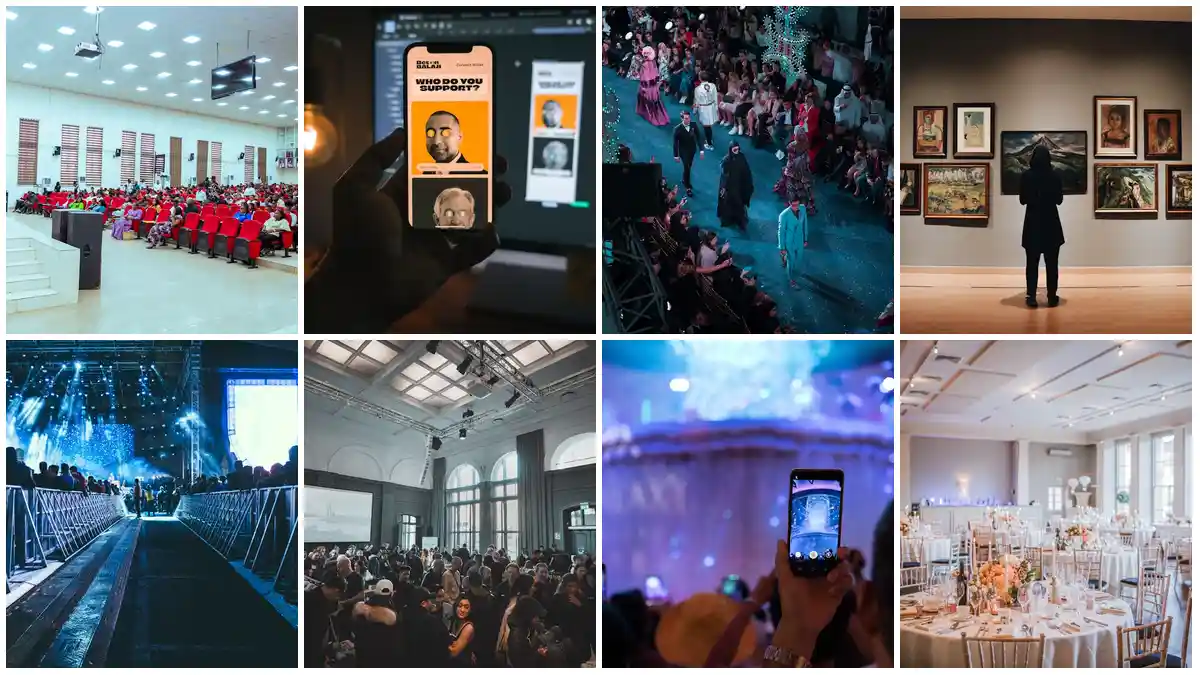
There are eight distinct types of event management worth knowing before you plan anything: conferences and awards, weddings and gala dinners, concerts, fashion shows, art exhibitions, brand activations, launches and inaugurations, and Web3 and metaverse events. Each one runs on a different production model, a different audience psychology, and a different definition of “success.” Get the category right first, and the rest of the plan practically writes itself.
This guide breaks down every one of those types of event management, shows you how they differ in practice, and gives you a simple way to figure out which category your next event actually belongs to.
Table Of Content
- What Are the Different Types of Event Management?
- What is Event Management
- 8 Different Types of Event Management
- 10 Types of Corporate Event
- Types of Event Planning Services
- Which Type of Event Management Do You Need
- Mistakes When Planning Different Types of Events
- Conclusion
- Frequently Asked Questions
What Are the Different Types of Event Management?
The eight main types of event management are conferences and awards, weddings and gala dinners, concerts, fashion shows, art exhibitions, brand activations, launches and inaugurations, and Web3 or metaverse events. Each type has different planning requirements, audience expectations, production needs, and success metrics.
- Conferences & Awards
- Weddings & Gala Dinners
- Concerts
- Fashion Shows
- Art Exhibitions
- Brand Activations
- Launches & Inaugurations
- Web3 & Metaverse Events
What is Event Management
Event management is the discipline of planning, coordinating, and executing a live or digital gathering from the first concept sketch to the post-event report. It covers venue sourcing, vendor negotiation, budgeting, logistics, on-site production, guest experience, and, increasingly, digital infrastructure for hybrid or virtual attendees.
A good event manager is part project manager, part creative director, and part crisis handler. The job rarely looks the same twice, because the different types of event each pull on a completely different skill set. Running a 40-minute product launch with a live product reveal has almost nothing in common, operationally, with producing a three-day industry conference for 2,000 delegates, yet both fall under the same professional title.
In Practice: Teams that treat “event management” as one generic service tend to hire the wrong specialist for the job. A wedding planner and a concert producer might both call themselves event managers, but their vendor networks, technical rigs, and risk protocols are built for entirely different worlds.
8 Different Types of Event Management
Below is a full breakdown of the eight core types of event management, what each one covers operationally, and where it typically shows up on a business or personal calendar.
Conferences and Awards
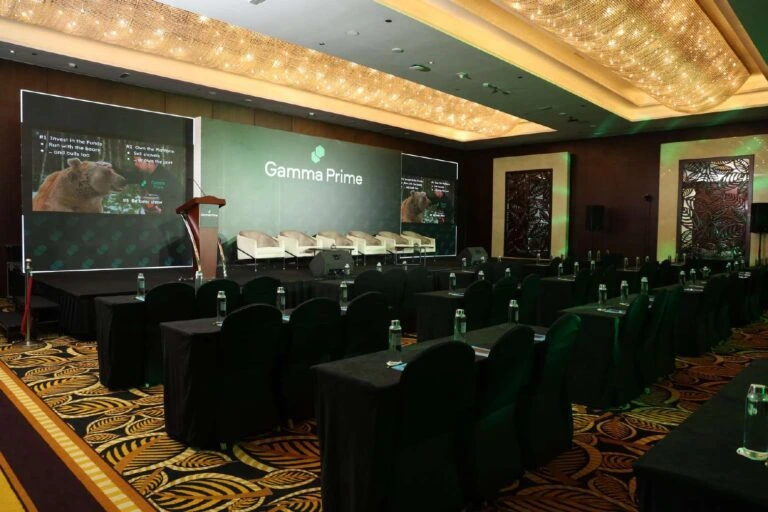
Corporate conferences, business conferences, and industry conferences exist to move information and relationships forward, not just to fill a room. This category also includes awards ceremonies, recognition events, and executive gatherings, all of which lean heavily on structure, agenda, and stage timing.
What conference and awards production actually involves:
- Speaker sourcing, briefing, and rehearsal scheduling
- Registration systems and badge/access management
- Breakout session logistics and room turnover
- Stage design, AV, and hybrid streaming setups
- Sponsor activation zones and exhibitor booths
- Award category judging, trophy production, and winner reveals
- Post-event attendee surveys and lead-capture reporting
These are among the most operationally dense types of corporate events and types of professional events because so many moving parts, speakers, sponsors, media, and delegates, all need to be synchronized to the minute.
The Pitfall: Overpacking the agenda. A conference with back-to-back sessions and no buffer time is the fastest way to create a chaotic, exhausted room by 3 p.m. Build in 10–15 minutes of slack between every segment.
Weddings and Gala Dinners
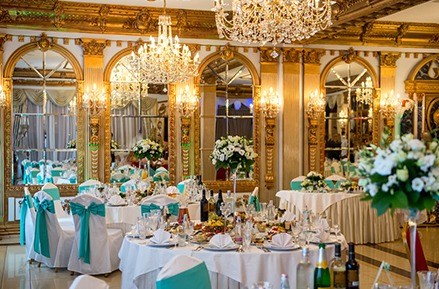
This is where hospitality replaces logistics as the primary skill. Weddings, luxury weddings, corporate gala dinners, formal celebrations, VIP dinners, and themed gala experiences all fall under one umbrella because they share the same core objective, making every guest feel personally taken care of.
Key production elements include:
- Venue styling, floral design, and thematic décor.
- Seating charts and guest flow management.
- Catering coordination, including dietary accommodations.
- Entertainment booking (live bands, DJs, cultural performers).
- Photography, videography, and lighting design.
- RSVP tracking and VIP guest handling.
These types of event planning services are judged almost entirely on emotional experience rather than measurable ROI, which changes how success gets defined from day one.
Concerts
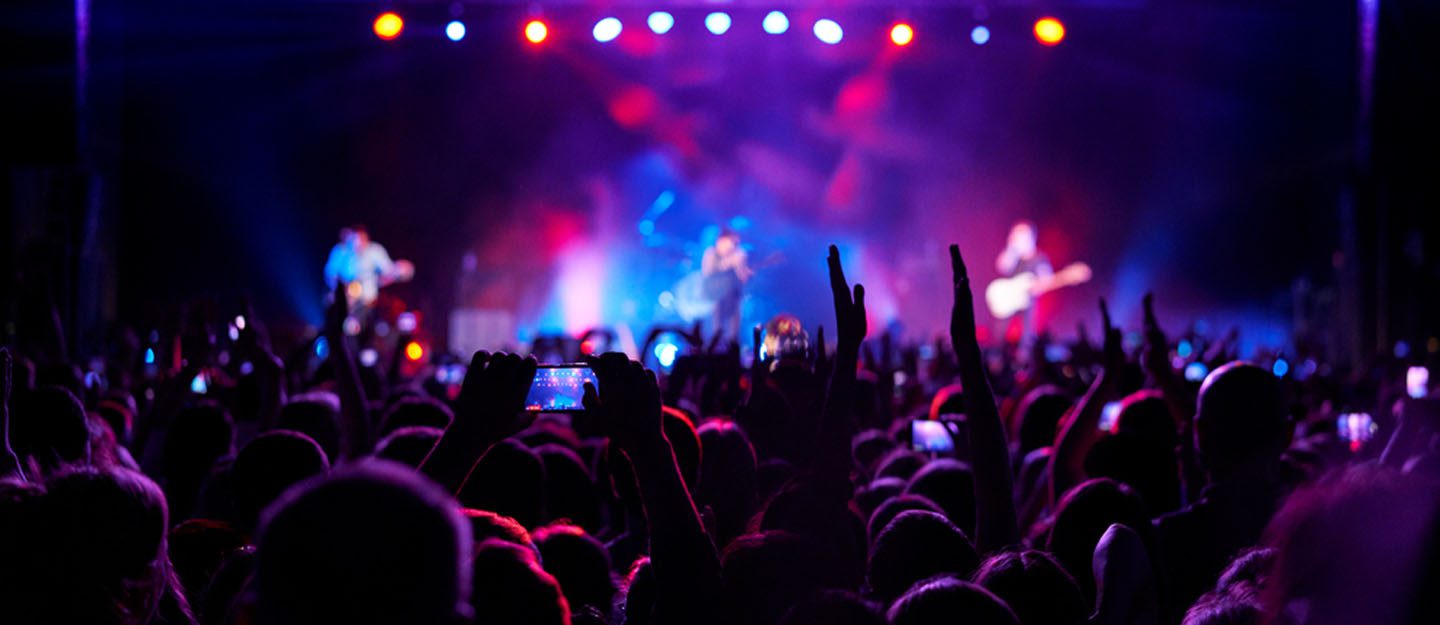
Concert production is a completely different discipline built around sound, safety, and scale. Live music events depend on precise technical coordination between artists, crew, and venue infrastructure, and mistakes here are far more visible (and far more public) than in almost any other event category.
A concert-focused event team typically manages:
- Stage and technical production, including rigging and structural load
- Sound engineering and acoustic planning
- Lighting design and visual show programming
- Artist coordination, hospitality riders, and green room logistics
- Audience management, crowd flow, and security planning
- Backstage and event-day operational timelines
In Practice: The biggest technical risk in concert production isn’t the performance itself, it’s the changeover time between acts. Experienced producers build a strict “load in, soundcheck, load out” schedule for every artist to prevent one delay from cascading through the entire night.
Fashion Shows
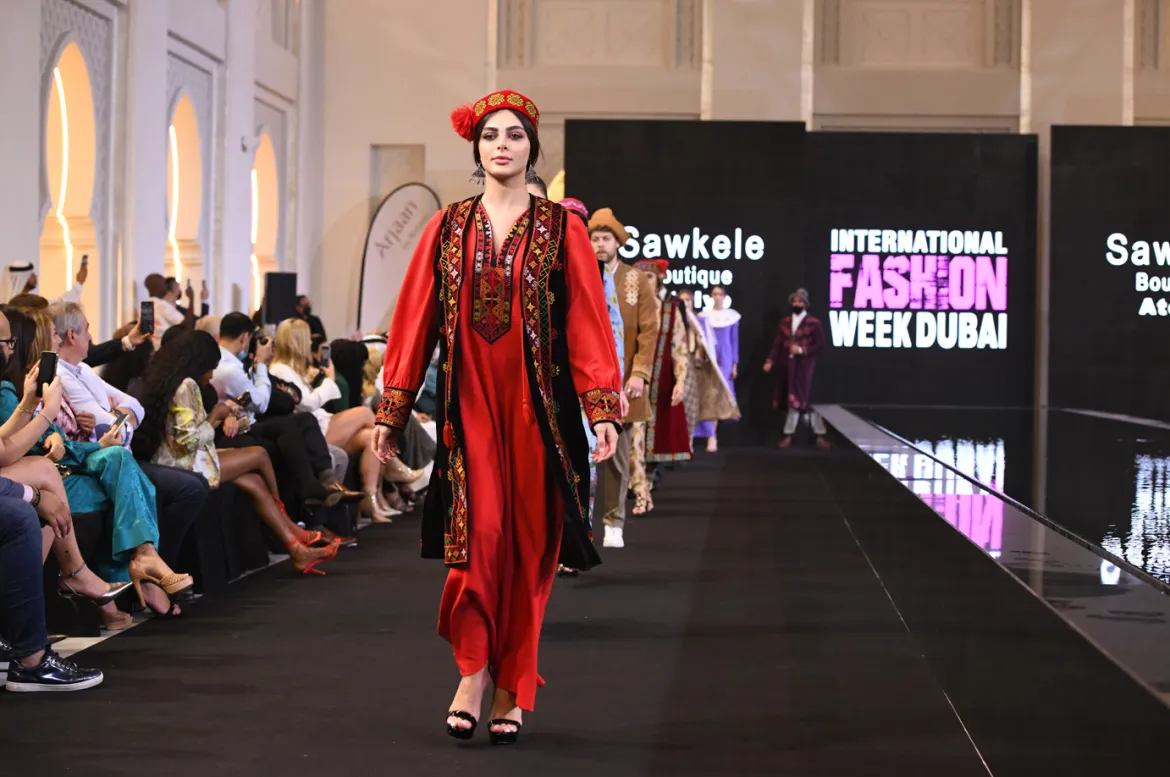
Fashion launches, designer showcases, runway events, and collection launches sit at the intersection of art direction and hard production deadlines. Everything is visual, everything is timed to the second, and the entire show typically runs 15–30 minutes, which leaves almost zero room for error.
Fashion show production covers:
- Runway design, staging, and set construction
- Model casting, fittings, and backstage choreography
- Lighting and soundtrack synchronization
- Front-row and seating protocol for media and buyers
- Hair, makeup, and dressing-room logistics
- Brand presentation and press coordination
Among all types of events for event planners, fashion shows demand the tightest run-of-show discipline because the format simply doesn’t allow for improvisation once the lights go up.
Art Exhibitions
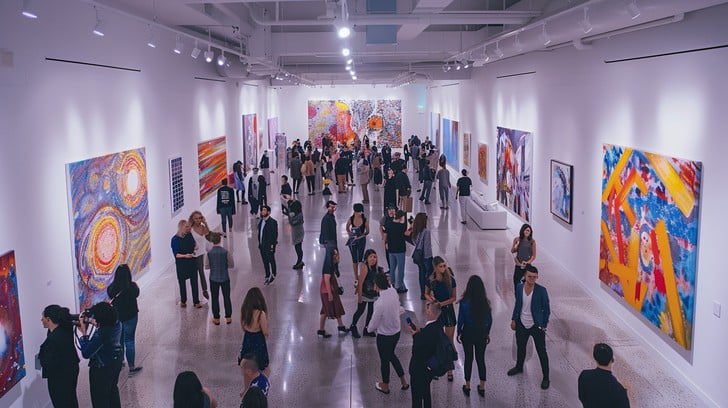
Art showcases, gallery-style exhibitions, artist showcases, and cultural exhibitions prioritize something the other categories don’t always need to consider, how people physically move through a space. Curated experiences depend on layout as much as content.
This category typically requires:
- Curation and thematic organization of pieces
- Display design, lighting, and spatial flow planning
- Visitor management and capacity control
- Artist and gallery liaison
- Opening night production and press previews
- Insurance and handling protocols for valuable pieces
Exhibition production rewards patience and spatial thinking far more than speed, which sets it apart from almost every other event category on this list.
Brand Activations
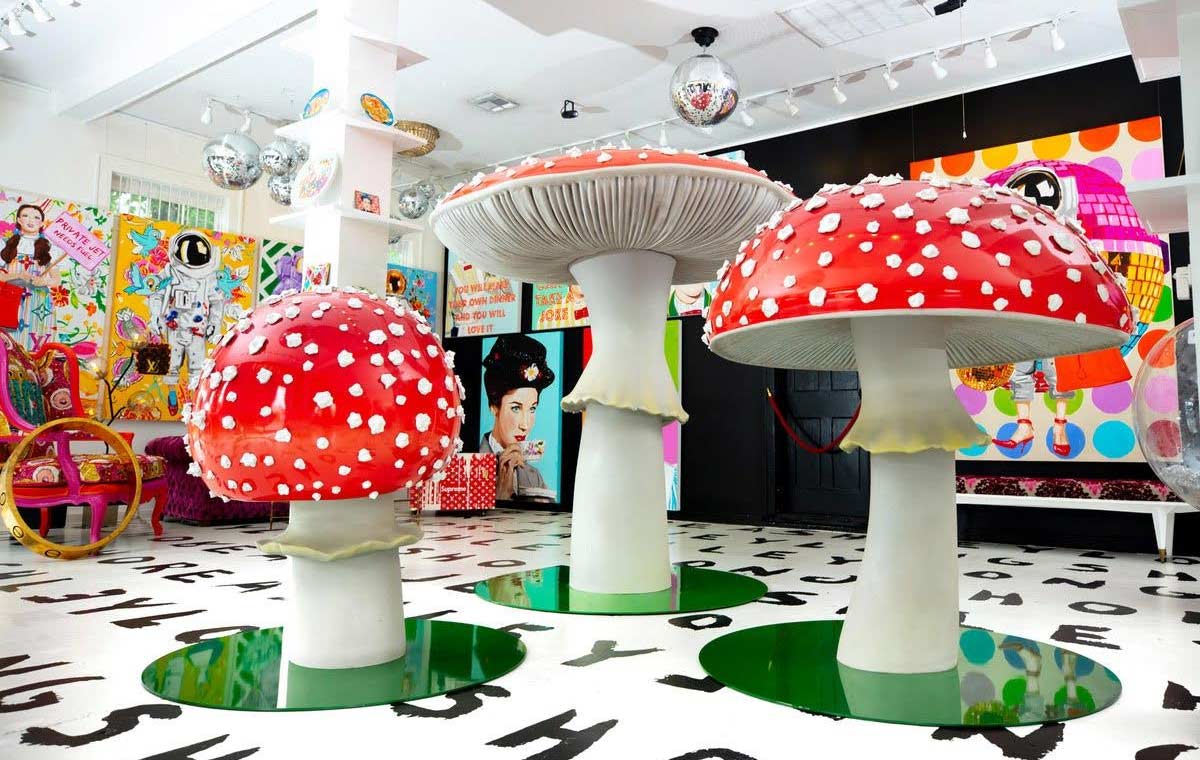
Experiential marketing, product experiences, consumer activations, and interactive brand experiences exist purely to create memorable contact points between a brand and its audience. This is one of the more creatively flexible types of corporate events, because the format itself is invented fresh for each campaign.
Brand activation planning generally includes:
- Concept development tied to a specific marketing objective
- Promotional events and pop-up installations
- Immersive, interactive brand zones
- Audience engagement mechanics (games, sampling, social integration)
- On-ground staffing and brand ambassador training
- Real-time content capture for social amplification
The Pitfall: Activations that prioritize “wow factor” over message clarity often generate great photos and forgettable brand recall. The strongest activations tie every interactive element back to one clear takeaway about the product or brand.
Launches and Inaugurations
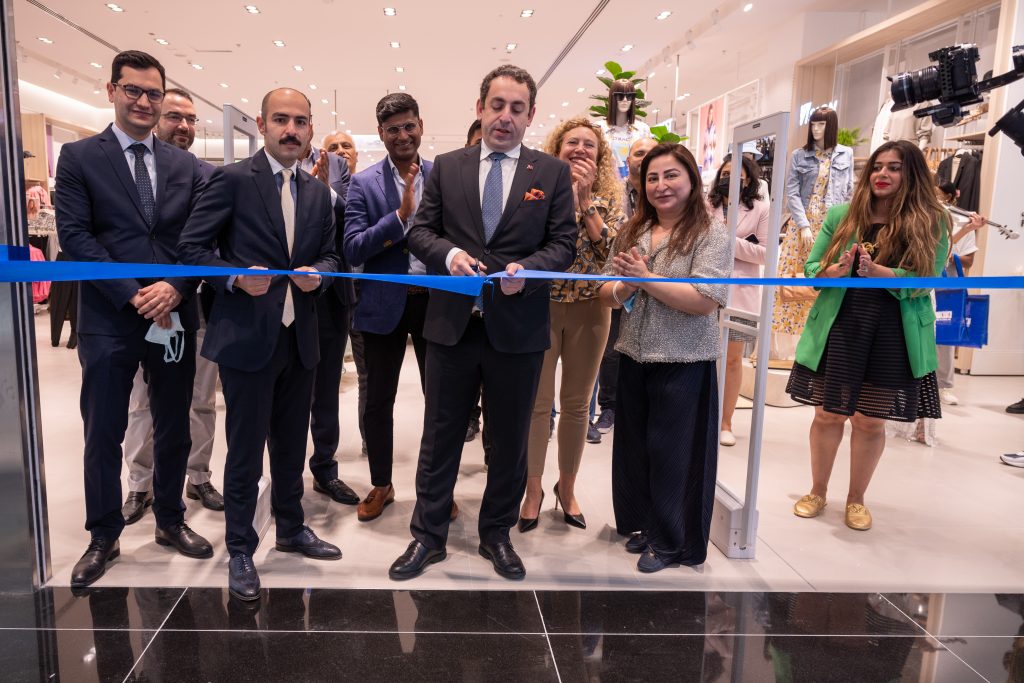
Product launches, brand launches, business openings, facility inaugurations, store openings, and media launches all share one goal, creating a defining “first moment” that sets the tone for everything that follows.
These types of business events typically involve:
- Reveal choreography and dramatic staging
- VIP guest list management and media invitations
- Press kits, briefings, and interview scheduling
- Product demonstration zones
- Ribbon-cutting or symbolic opening ceremonies
- Photo and video coverage built for press distribution
Visual Suggestion: A short comparison graphic showing “soft launch vs. grand launch vs. inauguration ceremony” timelines would help readers visualize how the format scales with the size of the announcement.
Web3 and Metaverse Events
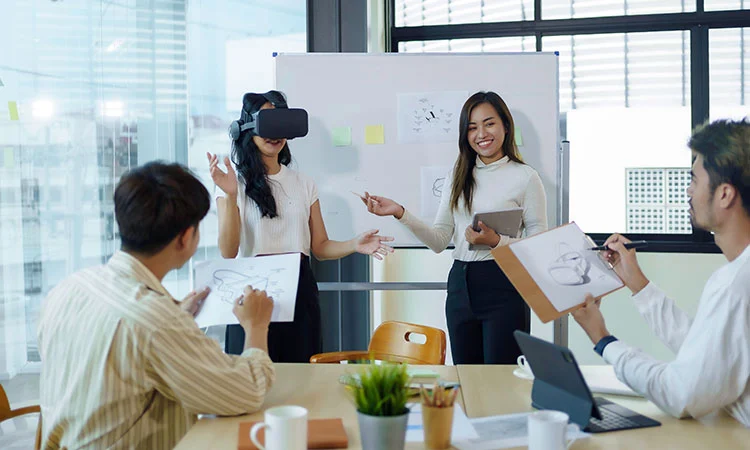
The newest of the types of event management, this category covers Web3 conferences, metaverse experiences, virtual events, and blockchain-focused gatherings. It requires an entirely different production stack, one built on platforms, avatars, and digital environments rather than physical venues.
Core components include:
- Virtual environment design and platform selection
- Digital networking tools and avatar-based interaction
- Live-streamed keynotes with interactive Q&A layers
- Blockchain-specific programming (token gating, NFT drops, wallet integrations)
- Hybrid bridges connecting in-person and virtual attendees
- Technical support for a distributed, often global audience
Who, How, and Why: This category is evolving fastest because the tooling itself is still maturing. Producers who specialize here typically come from a hybrid background, part event manager, part digital platform engineer, which is why very few traditional event companies can execute it well without a dedicated tech partner
10 Types of Corporate Events
Corporate events are organized gatherings hosted by a company for employees, clients, partners, investors, or other stakeholders. The main types are conferences, seminars and workshops, product launches, award ceremonies, gala dinners, networking events, team-building activities, exhibitions and trade shows, brand activations, and company celebrations. Each serves a different goal, like training, lead generation, recognition, or brand promotion.
Corporate Conferences
Conferences are large, multi-topic gatherings, usually lasting one to three days, built for broad knowledge sharing and networking. A software company, for example, might host a two-day conference with keynotes, breakout sessions, and partner booths. Attendees typically include industry professionals, clients, and employees. The main drawback is cost, since venues, speakers, and production add up quickly.
Seminars and Workshops
Seminars are smaller, often 10 to 50 attendees, focused on one topic, and led by an expert. Workshops are hands-on, with participants practicing skills as they learn. A bank might run a seminar on regulatory changes, then a workshop where teams test new reporting tools. Both formats depend on small groups to stay effective.
Corporate Product Launch Events
A product launch introduces a new product or service to clients, media, and influencers. A consumer electronics brand might unveil a device with live demos, press briefings, and hands-on stations. The purpose is awareness and media coverage. Results depend heavily on timing and press interest, so planning around the news cycle matters. See our guide to Product Launch Events for a deeper look.
Corporate Award Ceremonies
Award ceremonies recognize employee achievement, client loyalty, or partner contributions. A logistics firm might honor its top drivers, warehouse teams, and long-term suppliers in one evening program. They lift morale and strengthen relationships, though they require fair selection criteria to avoid disengagement. Explore Corporate Award Ceremonies for planning details.
Corporate Gala Dinners
Gala dinners are formal evenings that combine dining, entertainment, and networking, often for clients, partners, and executives. A company might host one to mark a fiscal milestone or thank major accounts. They build goodwill and visibility but carry higher per-guest costs than most formats. Learn more about Corporate Gala Dinners and related gala dinners and weddings planning.
Networking Events
Networking events exist to build professional relationships. Examples include an industry mixer, a breakfast meetup, or a speed-networking session for suppliers and buyers. They cost less than large productions and suit lead development. Their value depends on attendee engagement, so a clear format and a good host improve outcomes.
Team-Building Events
Team-building events strengthen trust and collaboration among employees. A department might complete an escape room, an outdoor challenge, or a volunteering day together. They work best when activities connect to real team dynamics rather than serving as generic entertainment. Scheduling around workloads is a common challenge.
Corporate Exhibitions and Trade Shows
Exhibitions and trade shows bring companies together to showcase products to industry professionals and potential clients. A manufacturer might rent a booth, run demos, and collect visitor details for follow-up. They generate leads and visibility, but stand costs, travel, and staffing require a clear return target. Read about Corporate Exhibitions and Trade Shows and exhibition stand design for practical guidance.
Brand Activations Events
Brand activations are experiential marketing events that let audiences interact directly with a brand. A beverage company might open a pop-up in a shopping mall with tastings, games, and social sharing points. They create memorable experiences for target customers and communities. Measuring impact can be difficult without tracked sign-ups or sales. Our Brand Activation Events resource covers formats in detail.
Company Celebrations
Company celebrations mark anniversaries, milestones, and seasonal occasions such as year-end parties. A growing firm might celebrate ten years in business with staff, clients, and stakeholders together. They support morale and company culture. Budgets should stay proportionate, since the return is cultural rather than directly financial.
Event Types at a Glance
| Event Type | Main Purpose | Typical Audience |
| Corporate Conference | Knowledge sharing, networking. | Industry professionals, clients, employees. |
| Seminar/Workshop | Education, skill development. | Employees, clients, professionals. |
| Product Launch | Product introduction, media coverage. | Clients, media, influencers. |
| Award Ceremony | Recognition, celebration. | Employees, clients, partners. |
| Gala Dinner | Formal celebration, networking. | Clients, partners, executives. |
| Networking Event | Relationship building. | Professionals, clients, partners. |
| Team-Building | Employee engagement, trust. | Employees. |
| Exhibition/Trade Show | Lead generation, visibility. | Industry professionals, potential clients. |
| Brand Activation | Brand experience, engagement. | Target customers, community. |
| Company Celebration | Milestone recognition, morale. | Employees, stakeholders. |
What Is a Corporate Event
A corporate event is a planned gathering sponsored by a business to achieve a defined goal. That goal may be communication, training, networking, employee engagement, brand promotion, or business development. Attendees can include staff, customers, partners, investors, and industry professionals. What separates a corporate event from a casual meetup is intent, because every element is designed around a business outcome. I’ve mentioned some types of corporate events below, for your help:
How to Choose the Right Corporate Event
Start with the outcome you need, then match the format to it. These factors narrow the options quickly.
| Factor | Question to Ask | Example Effect |
| Objective | What should change after the event? | Lead generation points to trade shows. |
| Audience | Who must attend? | Staff-only goals suit team-building. |
| Guest count | How many people fit the goal? | Small groups favor workshops. |
| Budget | What can you spend per attendee? | Tight budgets favor networking events. |
| Format and venue | In person, virtual, or hybrid? | Production needs shape venue choice. |
Types of Event Planning Services
Each of the eight formats above needs a different planning focus. Here’s how the service priorities compare at a glance.
| Event Type | Primary Planning Focus |
| Conferences & Awards | Attendee experience, speakers, production |
| Weddings & Gala Dinners | Guest experience, décor, hospitality |
| Concerts | Stage, sound, lighting, artists |
| Fashion Shows | Runway, models, backstage, production |
| Art Exhibitions | Curation, display, visitor experience |
| Brand Activations | Engagement, creativity, brand interaction |
| Launches & Inaugurations | Brand presentation, VIP experience, media |
| Web3 & Metaverse Events | Digital experiences, technology, engagement |
Notice that the further right you move on the “logistics-to-creativity” spectrum, the more the planning shifts from operational precision toward experience design. That shift is exactly why hiring event management planning support suited to your specific format matters more than hiring the biggest agency name available.
Which Type of Event Management Do You Need
Use this quick decision list to match your goal to the correct category before you start briefing vendors.
- Need to bring industry professionals together? → Conferences & Awards
- Planning a sophisticated celebration? → Weddings & Gala Dinners
- Want to create a live entertainment experience? → Concerts
- Launching a fashion collection? → Fashion Shows
- Showcasing artists or creative work? → Art Exhibitions
- Want customers to interact directly with your brand? → Brand Activations
- Introducing a new product, brand, or facility? → Launches & Inaugurations
- Planning a digital or immersive Web3 experience? → Web3 & Metaverse Events
If your event genuinely spans two categories, say, a product launch with a live concert element, plan for both skill sets from day one rather than trying to stretch one team across both disciplines.
Mistakes When Planning Different Types of Events
Even experienced teams fall into the same traps when they misjudge which of the kinds of events management they’re actually running.
- Choosing the wrong format. A brand activation dressed up like a formal gala confuses the audience about how to engage with it.
- Ignoring the target audience. A concert-style production for a boardroom of executives will feel jarring rather than exciting.
- Poor budgeting. Underestimating production costs for technical categories like concerts or Web3 events is one of the most frequent overruns.
- Weak vendor management. Every category above depends on a different vendor ecosystem, reusing the same suppliers across mismatched event types often shows.
- Inadequate contingency planning. Weather, technical failure, or a no-show speaker can derail an event without a documented backup plan, which is central to solid crisis management in events.
- Overcomplicated schedules. Packing too many segments into one run-of-show is a leading cause of on-site delays.
- Poor attendee communication. Guests who don’t know where to go, when to arrive, or what’s expected of them disengage fast.
- No post-event measurement. Skipping the debrief means the same avoidable mistakes resurface at the next event.
In Practice: The teams that consistently deliver strong events treat the post-event report as seriously as the pre-event brief. Reviewing what broke, what ran late, and what guests actually responded to is what turns one good event into a repeatable playbook, a core part of any solid event management planning process.
Note that:
- There are 8 primary types of event management: conferences and awards, weddings and gala dinners, concerts, fashion shows, art exhibitions, brand activations, launches and inaugurations, and Web3/metaverse events.
- Each event type demands a different planning focus, attendee experience, guest hospitality, stage production, brand engagement, or digital infrastructure.
- Picking the wrong event format for your goal is the single most common (and most expensive) mistake companies make.
- Corporate events and professional events frequently overlap categories, so most brands end up needing more than one type of event planning service across a year.
- A short, decision-based checklist (further down this guide) helps you match your goal to the correct event category in under a minute.
Conclusion
The phrase “event management” hides just how different these eight formats really are underneath it. A conference producer, a wedding planner, a concert engineer, and a Web3 event specialist are all doing “event management,” but they’re solving completely different problems with completely different tools.
Once you can name the exact type of event you’re planning, the entire process gets easier. Vendor selection gets sharper, budgeting gets more realistic, and the final result matches what your audience actually expected to experience. That clarity, more than any single tactic, is what separates a smooth event from a stressful one.
Frequently Asked Questions
What are the types of events in event management?
The main types of events in event management are conferences and awards, weddings and gala dinners, concerts, fashion shows, art exhibitions, brand activations, launches and inaugurations, and Web3 or metaverse events.
What are the 4 types of event management?
While there are eight detailed formats, they can be grouped into four broader categories, corporate and professional events, social and celebratory events, entertainment and production events, and digital or hybrid events.
What are the types of event management?
Event management spans corporate events like conferences and launches, social events like weddings and galas, entertainment events like concerts and fashion shows, and emerging digital formats like Web3 and metaverse experiences.
What are the different types of professional events?
Professional events typically include corporate conferences, industry conferences, awards ceremonies, executive gatherings, and brand launches, all built around networking, recognition, or business visibility.
Which type of event is best for a business?
It depends entirely on the goal. Conferences and awards suit relationship-building and thought leadership, brand activations suit direct customer engagement, and launches suit announcing something new, most businesses use a mix across the year.